The first intervention that switches off 90% of the nervous system's workload, while the brain stays awake.
Floatation-REST is the only modality that removes all four external inputs while the person remains fully conscious. Twenty years of peer-reviewed evidence. A Cohen's d above 2. Now a deployable platform that captures the outcomes data on every session.
Built by Dr. Justin Feinstein, the scientist who authored the published clinical evidence base. Chaired by Tania von der Goltz, who scaled Fresenius Medical Care to €36B+. The first system is already operational in Maui.
Not wellness. Infrastructure.
Floatation-REST is not relaxation. It is the first non-pharmacological intervention that produces a measurable, reproducible shift in the autonomic nervous system inside 90 minutes – with a published effect size four times the clinical threshold for "large." What's been missing is the infrastructure to deploy it at the scale the demand requires. That's what we build.
Brain capital is a $26 trillion category. Nobody has built the infrastructure to deliver it yet.
McKinsey and the World Economic Forum have established brain capital as one of the defining economic frameworks of the next two decades. The argument is no longer whether brain health matters. It's who owns the delivery layer at institutional scale.
Total global economic opportunity from addressing brain capital – workforce performance, innovation, longevity.
McKinsey Health Institute / World Economic ForumAnnual cost to the global economy from impaired brain health – lost productivity, healthcare burden, disability.
McKinsey Health InstitutePotential annual GDP boost by 2050 from investing in mental health interventions.
McKinsey Health InstituteUS workers reporting burnout. Existing solutions remain credibility-without-scale or scale-without-credibility.
2025 workplace surveysThe infrastructure for recovery hasn't kept pace
The societal burden of chronic stress, anxiety, burnout, and trauma is accelerating. Existing options offer either clinical credibility without scalability – or scalability without clinical depth. Nobody offers both.
The PTSD treatment gap
$232.2 billion annual US economic burden of PTSD. 39% of patients do not respond to first-line guideline-recommended therapy. Up to 50% do not respond to CBT specifically.
The corporate burnout drag
$5 million per 1,000 employees annually. $300 billion+ in US healthcare costs and lost productivity. 76% of US workers report burnout.
The first responder and veteran crisis
30% of first responders develop PTSD or behavioural health conditions. 17.2 veterans die by suicide every day. Federal funding is fragmented; on-site infrastructure is absent.
The disaster-response gap
Billion-dollar disasters in the US have risen from 3/year in the 1980s to 27 in 2024. Mental health receives just 1–2% of humanitarian financing despite accounting for 20% of emergency-setting health issues.
Nobody has built the infrastructure layer. That is the gap GCS fills.
The four forces have converged for the first time
The concept behind nervous system regulation through reduced sensory input has existed since 1954. For seventy years it was held back – by counterculture associations in the 1960s and 70s, by the AIDS-era collapse of shared-water wellness in the 1980s, and by a fragmented recovery as retail wellness operators with no clinical standardisation through the 2000s and 2010s. For the first time in the seventy-year history of this modality, four forces are now aligned simultaneously.
The clinical evidence is here
Dr. Justin Feinstein's work at the Laureate Institute for Brain Research produced the first peer-reviewed clinical evidence (PLoS ONE, 2018) demonstrating Cohen's d > 2 – an extremely large effect size for anxiety reduction following Floatation-REST. A randomised controlled trial (PLoS ONE, 2023) confirmed safety and feasibility across multiple sessions. This evidence base did not exist before 2018.
The delivery model left retail
GCS builds modular, deployable systems that go to fire stations, hospitals, military bases, offshore rigs, and disaster zones – not the other way around. The intervention now reaches the populations who need it most, in the environments they already inhabit. This is a fundamentally different business model from a fixed-location retail centre.
Institutional demand is unprecedented
Institutions are actively procuring non-drug recovery infrastructure. The VA mental health budget is $17.2 billion in FY2025 and growing. 27 billion-dollar disasters in 2024. Over $300 billion a year in employer burnout cost. Behind every line item: 17.2 veterans lost every day. The scale of the unmet need is what changed.
The regulatory environment has shifted
For the first time, deployment-generated outcomes data can support an FDA medical-device submission. The FDA's December 2025 guidance accepts real-world evidence from digital health technologies and wearables. The January 2026 expansion permits non-invasive physiological measurement under the general wellness pathway. The barrier to building a regulatory asset from field deployments has been significantly lowered.
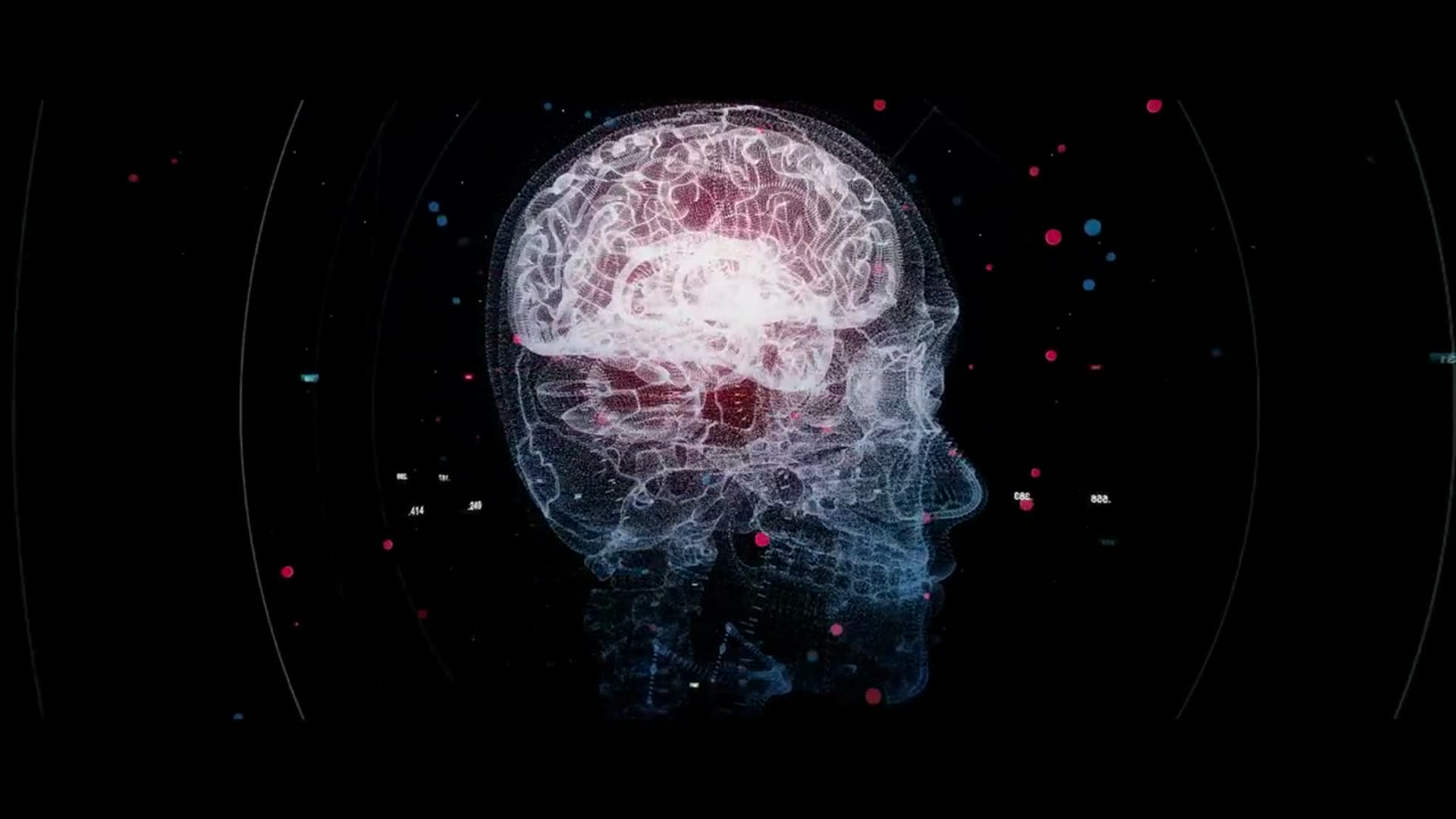
90% of the nervous system's workload, removed. Brain awake.
External stimuli – gravity, light, sound, and touch – account for approximately 90% of the central nervous system's workload. No other intervention removes all four while the person remains fully conscious. Meditation reduces some inputs, not all. Sensory rooms reduce some stimuli, not gravity. Sleep removes consciousness itself. Floatation-REST is the only environment where the brain stays awake while sensory input collapses to near zero.
No other intervention shuts off all four external inputs simultaneously while the person remains fully conscious. That single physiological fact is the category.
Cohen's d (anxiety)
Blood pressure
Brainwaves
Heart rate variability
Cortisol
Effect persistence
The published evidence
Twenty years of peer-reviewed clinical research, citable verbatim in any investor or institutional conversation.
Anxiolytic and antidepressant effect of Floatation-REST
50 anxious or depressed participants, 30 controls. Cohen's d > 2 for anxiety reduction. Effects persisted at least 48 hours.
Read on PLoS ONE →Randomised controlled safety and feasibility trial
Six sessions of Floatation-REST in anxious and depressed individuals. Confirmed safe, well-tolerated, feasible. PTSD subgroup among the most benefited.
Read on PubMed →Floatation-REST for anorexia nervosa (RCT)
Hospitalised women and girls. Reduced body dissatisfaction and anxiety. Effects sustained at six-month follow-up.
Acute cardiovascular effects of Floatation-REST
Significant reduction in blood pressure. Heart rate variability shifted toward parasympathetic dominance during a single 90-minute session.
Systematic review of 63 Floatation-REST studies (1960–2024)
Approximately 1,800 participants across the body of literature. Overall mean effect size of 1.02 for stress reduction.
Interoception research in high-anxiety populations
Heightened interoceptive awareness in individuals with high anxiety sensitivity, suggesting a mechanism for recalibrating the body's internal sensing systems.
"We have had several hundred firefighters use Floatation-REST with impressive results. It's rare to find a treatment with so much potential benefit and so little risk."
Dr. Abby Morris, M.D. – former Medical Director, IAFF Center of Excellence
Every session generates data. The data doesn't reset. It compounds.
We are not a float company. We are the data platform that will own this category. The pools are how we get the data. Four layers. One compounding moat that no competitor can replicate without starting twenty years earlier.
Intelligence
Across populations, the data engine surfaces what works for whom – and becomes the basis for individualised regulation protocols. This is the platform's second regulatory asset (Software as a Medical Device), independent of the hardware.
Data Engine
Continuous, non-invasive biomarker capture – heart rate, heart rate variability, blood pressure, breathing rate, brainwave activity. Outcomes tracking. Real-world evidence generation. The FDA's December 2025 guidance now explicitly accepts this kind of data in medical device submissions.
Protocols
Standardised, evidence-based nervous system regulation methods. Consistent across every deployment. Built on twenty years of peer-reviewed research and refined through clinical practice.
Hardware
Deployable and modular Floatation-REST systems with integrated sensors. Designed for institutional environments and field deployment – not retail. Engineered to preserve the sensory-free experience while capturing clean physiological data.
Every session generates outcomes data. Every deployment compounds the moat. The longer the platform operates, the more defensible the data asset becomes.
One core intervention. Four deployment formats.
Same science. Same data platform. Four distinct markets, sequenced by regulatory readiness and deployment difficulty.
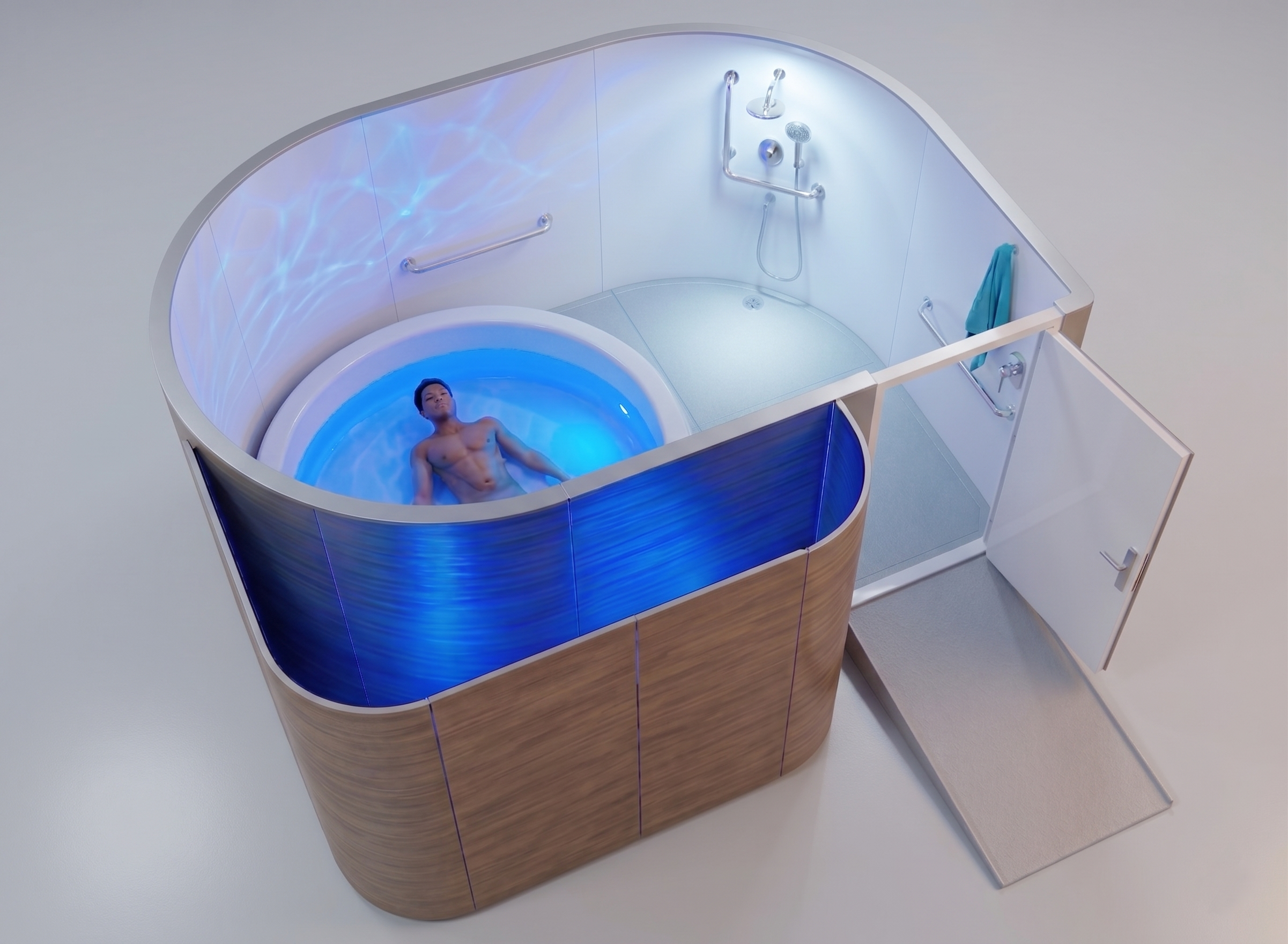 Available now
Rapid-Deployment Systems
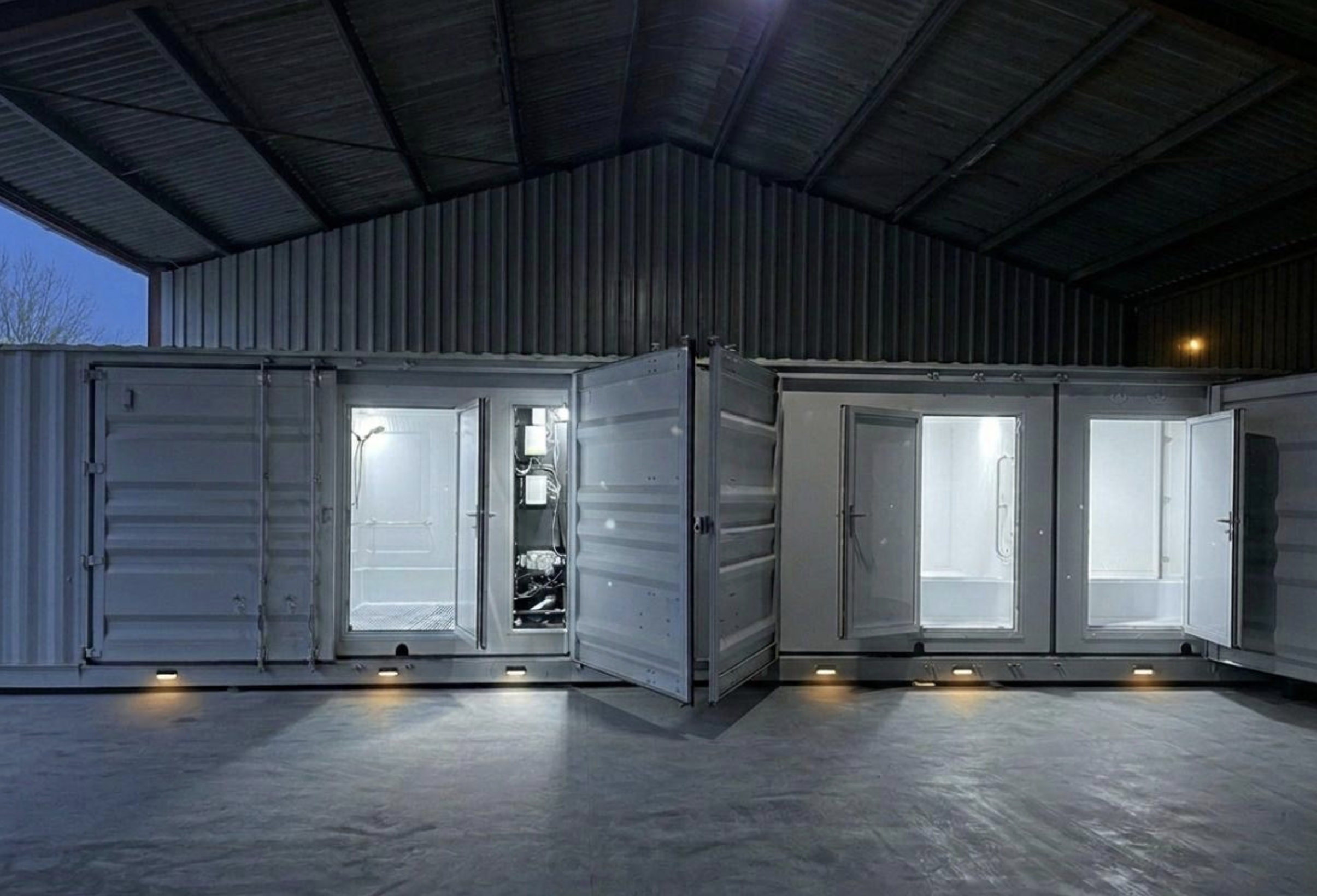
Floatation-REST infrastructure, in a shipping container, on the ground in 48 hours.
Self-contained portable units operational on site within hours of arrival. For disaster zones, military forward operating, humanitarian relief, and first-responder field stations.
- Buyer
- FEMA · DoD · Red Cross · NGOs
- Regulatory
- General wellness classification
- Revenue
- Lease + deployment + certification + data
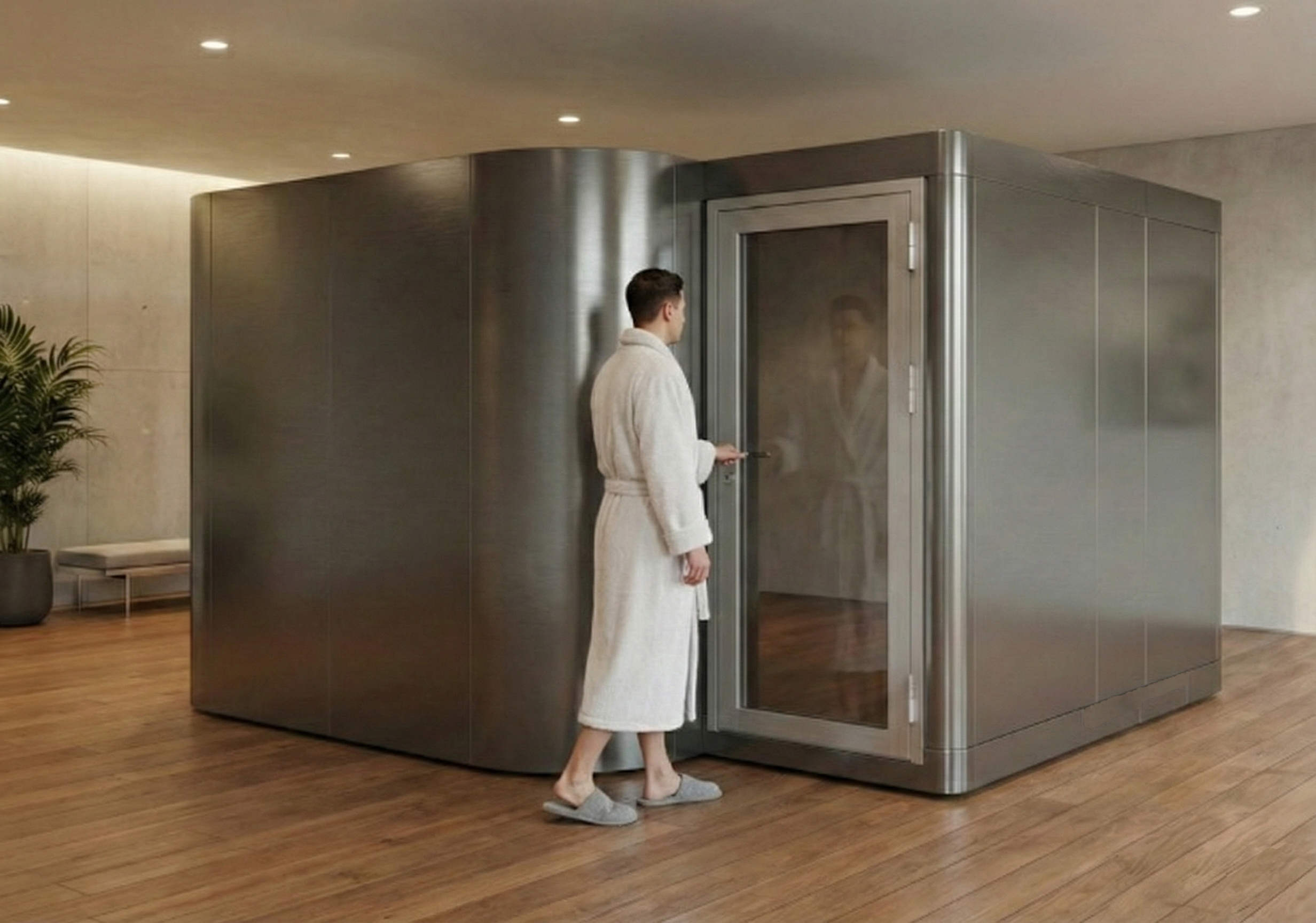 Available now
Modular Institutional Systems
The fire-station model. Recovery infrastructure where the workforce already lives.
Permanently installed in fire stations, military bases, corporate campuses, universities, and law-enforcement wellness facilities. Resilience and burnout prevention at institutional scale.
- Buyer
- Fire chiefs · CHROs · base commanders
- Regulatory
- General wellness classification
- Revenue
- System + consumables + certification + data
 Earned through evidence
Modular Clinical Systems
The format that supports the FDA evidence pathway and, once cleared, qualifies for reimbursement.
Installed in hospitals, surgical recovery units, VA facilities, and trauma clinics. Used under medical supervision, contributing to the clinical evidence base that supports a staged regulatory submission.
- Buyer
- Hospital procurement · VA · academic medical centres
- Regulatory
- FDA De Novo pathway
- Revenue
- System + protocols + data + future reimbursement
 Earned through clearance
Home Clinical Systems
The home-dialysis playbook, applied to nervous system recovery.
Clinician-recommended home units for ongoing nervous system support, contingent on future FDA clearance and reimbursement. The long-term volume play – the Fresenius home model adapted for brain capital infrastructure.
- Buyer
- Patients (subject to insurance coverage)
- Regulatory
- FDA cleared + insurance coverage
- Revenue
- Device + consumables + data + insurance billing
Four people. No fifth needed.
The one who authored the science. The one who scaled Fresenius. The one who's cared for 4,000 firefighters. The one who's been engineering these systems for 25 years. There is no fifth person on Earth needed to build this.

Dr. Justin Feinstein, Ph.D.
Clinical neuropsychologist. Originator of the published clinical evidence base for Floatation-REST. President, Float Research Collective. Former Director, Float Clinic & Research Center, Laureate Institute for Brain Research.
Tania von der Goltz
27 years strategic healthcare finance at Fresenius Medical Care (€36B+ revenue, 4,000+ dialysis clinics globally). Former SVP Global Financial Strategy. Supervisory board, Carl Zeiss Meditec.
Dr. Abby Morris, M.D.
Double board-certified Psychiatry/Neurology and Addiction Medicine. Former Medical Director, IAFF Center of Excellence. Over 4,000 firefighters cared for under her medical leadership for PTSD, anxiety, and addiction.
Toby Stanwell-Smith
25+ years engineering Floatation-REST systems. Design Manager at Floataway – the manufacturer behind the units in every major peer-reviewed clinical trial. Deep expertise in floatation engineering, water treatment, and modular construction.
Five capabilities. One category. We're the only ones holding all five.
Nervous-system regulation today is split across five categories: float operators, consumer wearables, meditation apps, in-clinic neuromodulation, and telehealth therapy. Each owns one piece. None integrate hardware, protocols, data, distribution, and a regulatory pathway in a single institutional offering. That gap is the category GCS is building.
| Capability | GCS | Float operators | Consumer wearables | Meditation apps | In-clinic neuromodulation | Telehealth therapy |
|---|---|---|---|---|---|---|
| Deployable to crisis sites | ● | ○ | ○ | ○ | ○ | ○ |
| Real-time physiological data in-session | ● | ○ | ◐ | ○ | ◐ | ○ |
| Clinical-grade protocols | ● | ○ | ◐ | ○ | ● | ● |
| Real-world evidence platform | ● | ○ | ○ | ○ | ○ | ○ |
| Institutional B2B distribution | ● | ◐ | ◐ | ● | ● | ● |
| Military / first-responder focus | ● | ○ | ○ | ○ | ◐ | ○ |
| Regulatory pathway active | ◐ | ○ | ○ | ○ | ● | ○ |
● Fully integrated · ◐ Partial · ○ Not part of category model
A staged strategy. Speed-to-market plus long-term optionality.
Launch under general wellness classification (no FDA submission required). Generate real-world evidence through institutional deployments. Pursue medical device classification when the data supports it – keeping both regulatory doors open: hardware (De Novo) and the data platform (Software as a Medical Device).
General wellness launch
Rapid-Deployment and Modular Institutional systems operate under general wellness classification. First revenue. Field data collection begins under the FDA December 2025 real-world evidence framework.
Clinical evidence generation
Modular Clinical deployments begin in partner hospitals and VA facilities. Randomised controlled trials extending the existing peer-reviewed evidence base in anxiety and PTSD populations. Health economics data builds the case for reimbursement.
De Novo + SaMD submission
FDA De Novo classification request for the hardware. Software-as-a-Medical-Device submission for the data analytics platform – a second regulatory asset. CPT code application and payer engagement follow.
On the ground in 48 hours.
The first Rapid-Deployment unit is already operational in Maui – providing free clinical-grade sessions to wildfire survivors and first responders. Built in partnership with the Float Research Collective and Floataway.
Not a research prototype. Field-operational infrastructure for crisis-affected populations. Outcomes data from every session feeds the GCS evidence platform – the regulatory case is built one deployment at a time.
Global Calm Science is the brain capital infrastructure company.
Ten years from now, a firefighter on shift, a soldier off rotation, a hospital patient before surgery, and a wildfire survivor 48 hours after evacuation all reach the same intervention. That's the picture. Every major hospital system. Every disaster response programme. Every Fortune 500 employer that takes recovery seriously. Standardised across military, first responder, humanitarian, and clinical environments.
Measured at every session. Defended by the evidence base. Owned by no one else.
Where would you like to start?
Global Calm Science is in conversation with investors, institutional partners, researchers, clinicians, and journalists who understand what's at stake. Tell us which lane is yours.